



Close Menu
باب مصرباب مصر

    Subscribe to Updates

    Get the latest creative news from FooBar about art, design and business.

    What's Hot

    The Woven Skeleton: The Palm Frond Artisans of Kafr Al-Battikh Fend Off a Plastic Tide

    2026-05-14

    The Sanctuary of Saint Bishoy: A Living Ledger of Egyptian Monasticism

    2026-05-13

    Shadows Over the Nile: Concrete Construction Spark Criticism Beneath the Temple of Kalabsha

    2026-05-13
    Facebook X (Twitter) Instagram
    Facebook X (Twitter) Instagram YouTube LinkedIn
    باب مصرباب مصر
    Contact US
    باب مصرباب مصر
    Home»Greater Cairo»The Ancient Origins of Tamr Hindi: Why This Tangy Drink Is a Ramadan Essential
    Greater Cairo

    The Ancient Origins of Tamr Hindi: Why This Tangy Drink Is a Ramadan Essential

    Bab MasrBy Bab Masr2026-03-03Updated:2026-05-20No Comments4 Mins Read0 Views
    Facebook Twitter Pinterest LinkedIn Tumblr Email
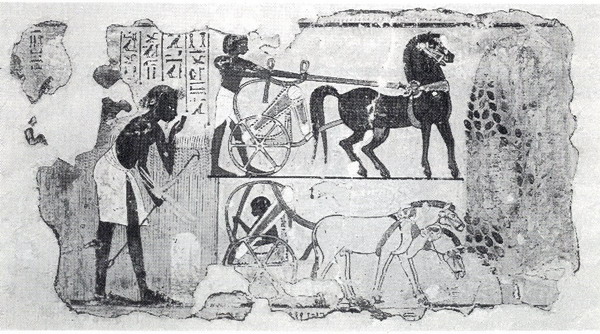
    1489931519 303 101890 1489285039 577 101890 img055
    1489931519 303 101890 1489285039 577 101890 img055
    Share
    Facebook Twitter LinkedIn Pinterest WhatsApp Email

    Where does tamarind come from? Why is it called “Indian date”? And what did Ibn Sina say about it? Discover the history, health benefits, and traditional recipe of the beloved Ramadan drink.

    As the sun sets during Ramadan, tables across Egypt and the Arab world fill with dates, soups, and main dishes. But one drink is almost always present, its sweet-and-sour tang refreshing throats parched from a day of fasting: tamarind.

    Known in Egypt as tamr hindi (literally “Indian date”) or ardeb, this deep brown beverage is a Ramadan staple. But its story begins long before the holy month, in the tropical forests of Africa, and winds through ancient Indian medicine, Islamic conquests, and the writings of history’s greatest physicians.

    The Secret of the Name

    Despite its African origins, tamarind is native to tropical Africa,the fruit is named after India. The reason? Indians incorporated it into their daily cuisine, valued it highly, and used it to treat a wide range of ailments. For centuries, Indian households have used tamarind sauce as a remedy for the common cold.

    The name stuck. Today, tamarind is known worldwide as the “Indian date,” a nod to both its adopted homeland and the sticky, date-like texture of its pulp.
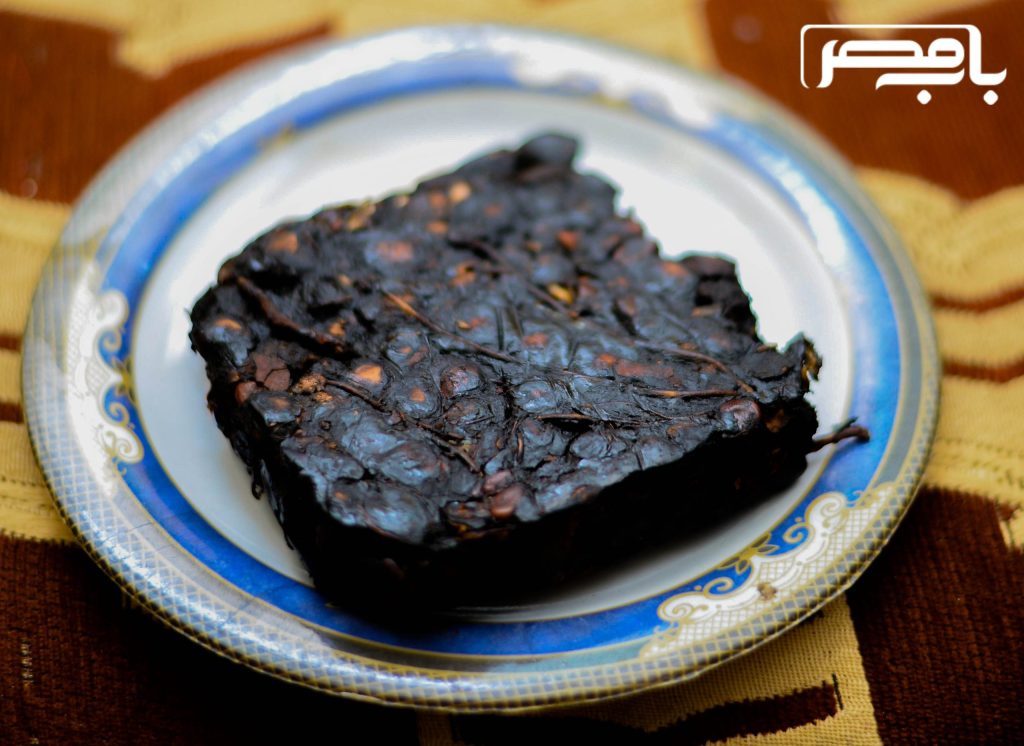
    tamarind1
    Raw Tamarind Photo : Samar Shoman

    A Botanical Portrait

    Tamarind is a leguminous plant, belonging to the same family as beans and peas. It grows on a fast-growing, evergreen tree that can reach up to three meters in height. The tree produces compound leaves and clusters of small, yellow flowers.

    The fruit itself is a pod-like structure with a hard, brittle shell. Inside lies the sticky, dark-brown pulp that gives tamarind its distinctive sour flavour. When harvested, the shells are removed, and the pulp is kneaded into dense, dark blocks. Sometimes sugar is added to help preserve the pulp and prevent spoilage.

    Europe likely learned of tamarind’s medicinal properties through the Arabs, who carried the fruit with them during the Islamic conquests, introducing it to new lands and new peoples.

    The Health Benefits of Tamarind

    Tamarind is more than just a flavorful drink. It is packed with nutrients and has been used medicinally for centuries.

    The pulp contains a variety of acids and mineral salts. It is rich in phosphorus, calcium, iron, and potassium. It boasts an array of vitamins, including B vitamins and vitamin C. Its natural antibiotic properties help fight bacteria, while its mild laxative effect aids digestion and relieves constipation. It combats stomach acidity, reduces bloating, and can help lower body temperature—a welcome relief during long fasts in warm weather.

    The fibre in tamarind helps reduce fat levels in the blood, and its iron content supports the production of red blood cells.

    During Ramadan, these benefits are particularly valuable. Tamarind helps rehydrate the body, replenishing fluids lost during daylight hours and protecting against dehydration. It provides essential vitamins and minerals that may be depleted during fasting, combats the lethargy and sluggishness that can set in after days of abstinence, and refreshes the body, boosting energy levels,all while reducing the buildup of gas in the digestive system.

    Tamarind2
    Tamarind being stirred while boiling. Photo: Samar Shoman

    What the Ancients Said

    Long before modern science confirmed its benefits, tamarind was praised by the giants of medieval medicine.

    The legendary Persian physician and philosopher Ibn Sina, known in the West as Avicenna, wrote that tamarind is useful against vomiting and thirst in fevers. Another towering figure in Islamic medicine, Abu Bakr al-Razi, noted that the juice of tamarind quenches thirst because it is cold and moist. The Andalusian botanist and pharmacist Ibn al-Baytar offered a detailed assessment, explaining that the best tamarind is the fresh, moist one. He noted that it subdues the agitation of the blood, acts as a laxative, benefits against vomiting and thirst, and gently purges bile.

    Egyptian Ramadan traditions Ibn Sina tamarind Ramadan drinks Egypt tamarind health benefits tamarind origins tamarind recipe homemade traditional Ramadan beverages
    Share. Facebook Twitter Pinterest LinkedIn Tumblr Email
    Previous Article Beyond the Pyramids: “Mysterious Egypt” Photo Exhibition Brings Everyday Egyptian Life to Paris
    Next Article “Egyptian Food Deserves a Global Audience”: An Interview with Cookbook Author Dyna Eldaief
    Bab Masr

    Related Posts

    The Preservation Paradox: Why Humanity, Not Time, Is the Greatest Threat to Heritage

    2026-05-06

    Remembering Hani Shukrallah

    2026-05-05

    Amira Howeidy writes: My editor, Hani Shukrallah

    2026-05-05

    Comments are closed.

    Recent Posts
    • The Woven Skeleton: The Palm Frond Artisans of Kafr Al-Battikh Fend Off a Plastic Tide
    • The Sanctuary of Saint Bishoy: A Living Ledger of Egyptian Monasticism
    • Shadows Over the Nile: Concrete Construction Spark Criticism Beneath the Temple of Kalabsha
    • The Damanhur Opera House: A Sovereign Union of Italian Elegance and Islamic Heritage
    • The Silent Outposts of Port Said: Ruins Beyond the Reach of Visitors
    Recent Comments
    • Binance美国注册 on An exhibition in Paris reimagines Cleopatra, far from Western narratives
    • binance "oppna konto on An exhibition in Paris reimagines Cleopatra, far from Western narratives
    • código de referencia de Binance on Art exhibition documents the first Egyptian Scout postage stamp at the National Museum of Civilization
    • Binance账户创建 on Between popular religiosity and the benevolence of the Quran, how can beauty be reconnected with “Sayyida Zeinab”?
    • phoenix game on Theater never dies… Mansoura saves its heritage and restores it as an opera house
    About Us
    About Us

    Your source for the lifestyle news. This demo is crafted specifically to exhibit the use of the theme as a lifestyle site. Visit our main page for more demos.

    We're accepting new partnerships right now.

    Email Us: info@example.com
    Contact: +1-320-0123-451

    Facebook X (Twitter) Pinterest YouTube WhatsApp
    Our Picks

    The Woven Skeleton: The Palm Frond Artisans of Kafr Al-Battikh Fend Off a Plastic Tide

    2026-05-14

    The Sanctuary of Saint Bishoy: A Living Ledger of Egyptian Monasticism

    2026-05-13

    Shadows Over the Nile: Concrete Construction Spark Criticism Beneath the Temple of Kalabsha

    2026-05-13
    Most Popular

    Shadows Over the Nile: Concrete Construction Spark Criticism Beneath the Temple of Kalabsha

    2026-05-135 Views

    The Sanctuary of Saint Bishoy: A Living Ledger of Egyptian Monasticism

    2026-05-132 Views

    The Healing Arteries of Dakhla: Harnessing the Geothermal Riches of the New Valley

    2026-05-062 Views
    Demo
    Latest Posts

    The Woven Skeleton: The Palm Frond Artisans of Kafr Al-Battikh Fend Off a Plastic Tide

    2026-05-140 Views

    The Sanctuary of Saint Bishoy: A Living Ledger of Egyptian Monasticism

    2026-05-132 Views

    Shadows Over the Nile: Concrete Construction Spark Criticism Beneath the Temple of Kalabsha

    2026-05-135 Views

    The Damanhur Opera House: A Sovereign Union of Italian Elegance and Islamic Heritage

    2026-05-111 Views
    Stay In Touch
    • Facebook
    • Twitter
    • Pinterest
    • Instagram
    • YouTube
    • Vimeo
    Don't Miss

    Shadows Over the Nile: Concrete Construction Spark Criticism Beneath the Temple of Kalabsha

    By Bab Masr2026-05-13

    A controversy erupts in Aswan as new concrete structures at the Temple of Kalabsha spark…

    The Sanctuary of Saint Bishoy: A Living Ledger of Egyptian Monasticism

    2026-05-13

    The Healing Arteries of Dakhla: Harnessing the Geothermal Riches of the New Valley

    2026-05-06

    Subscribe to Updates

    Get the latest creative news from SmartMag about art & design.

    Demo
    Demo
    Latest Posts

    The Woven Skeleton: The Palm Frond Artisans of Kafr Al-Battikh Fend Off a Plastic Tide

    2026-05-140 Views

    The Sanctuary of Saint Bishoy: A Living Ledger of Egyptian Monasticism

    2026-05-132 Views

    Shadows Over the Nile: Concrete Construction Spark Criticism Beneath the Temple of Kalabsha

    2026-05-135 Views

    The Damanhur Opera House: A Sovereign Union of Italian Elegance and Islamic Heritage

    2026-05-111 Views
    Stay In Touch
    • Facebook
    • Twitter
    • Pinterest
    • Instagram
    • YouTube
    • Vimeo
    Don't Miss

    Shadows Over the Nile: Concrete Construction Spark Criticism Beneath the Temple of Kalabsha

    By Bab Masr2026-05-13

    A controversy erupts in Aswan as new concrete structures at the Temple of Kalabsha spark…

    The Sanctuary of Saint Bishoy: A Living Ledger of Egyptian Monasticism

    2026-05-13

    The Healing Arteries of Dakhla: Harnessing the Geothermal Riches of the New Valley

    2026-05-06

    Subscribe to Updates

    Get the latest creative news from SmartMag about art & design.

    Demo
    About Us
    About Us

    Your source for the lifestyle news. This demo is crafted specifically to exhibit the use of the theme as a lifestyle site. Visit our main page for more demos.

    We're accepting new partnerships right now.

    Email Us: info@example.com
    Contact: +1-320-0123-451

    Facebook X (Twitter) Pinterest YouTube WhatsApp
    Our Picks

    The Woven Skeleton: The Palm Frond Artisans of Kafr Al-Battikh Fend Off a Plastic Tide

    2026-05-14

    The Sanctuary of Saint Bishoy: A Living Ledger of Egyptian Monasticism

    2026-05-13

    Shadows Over the Nile: Concrete Construction Spark Criticism Beneath the Temple of Kalabsha

    2026-05-13
    Most Popular

    Shadows Over the Nile: Concrete Construction Spark Criticism Beneath the Temple of Kalabsha

    2026-05-135 Views

    The Sanctuary of Saint Bishoy: A Living Ledger of Egyptian Monasticism

    2026-05-132 Views

    The Healing Arteries of Dakhla: Harnessing the Geothermal Riches of the New Valley

    2026-05-062 Views
    © 2026 ThemeSphere. Designed by ThemeSphere.

    Type above and press Enter to search. Press Esc to cancel.